My Lists
 Classes
 Learning Center

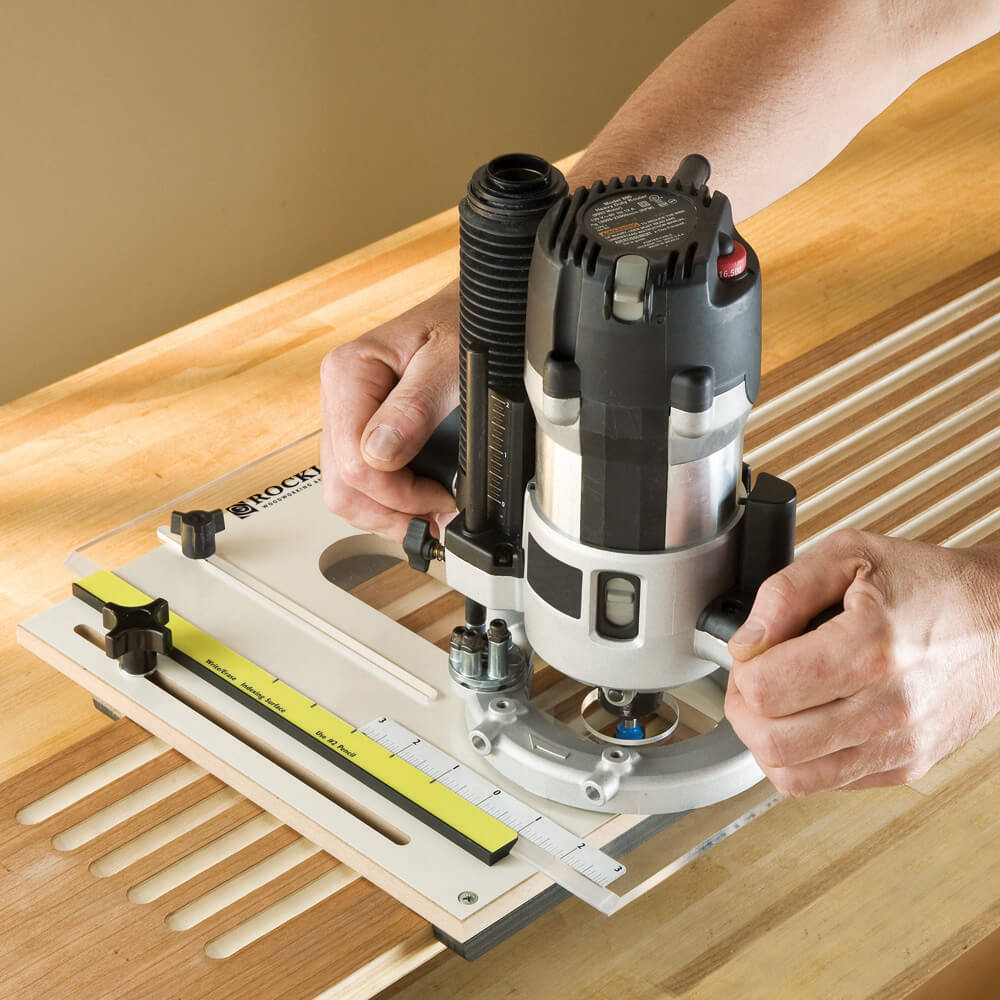
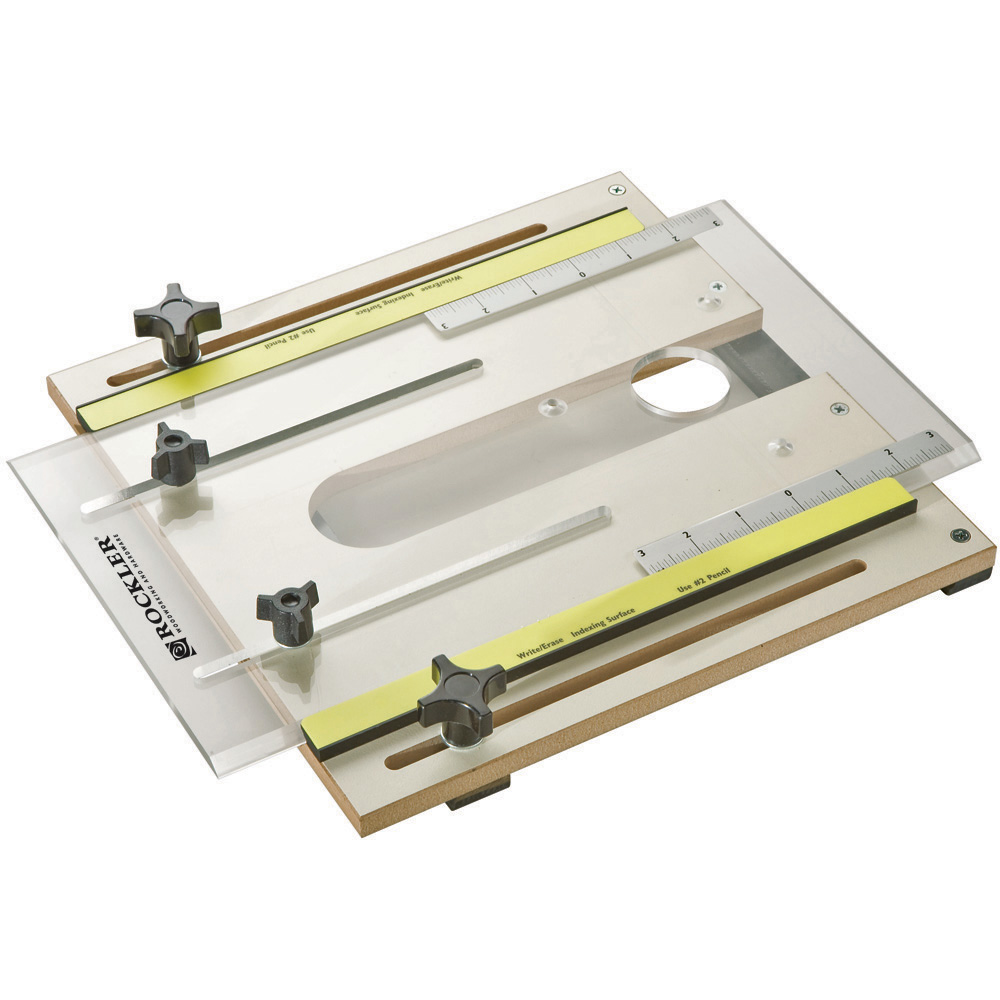
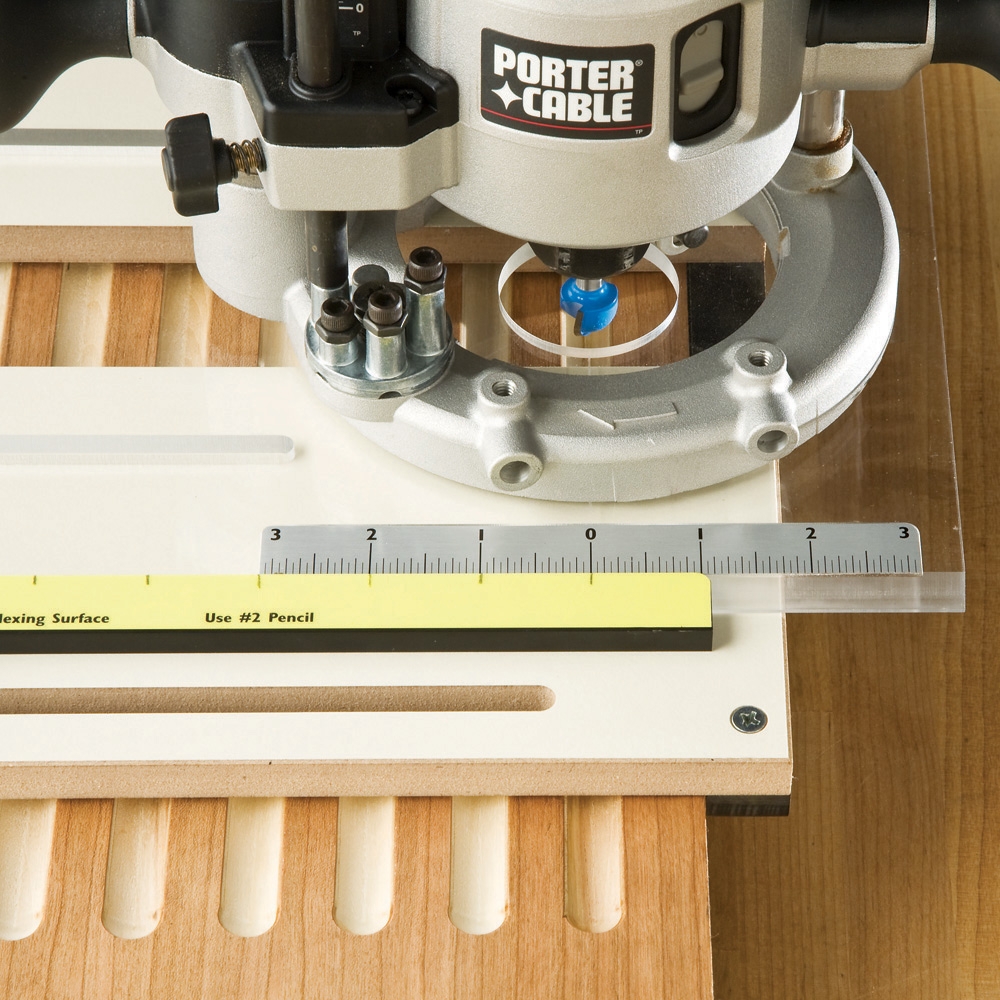
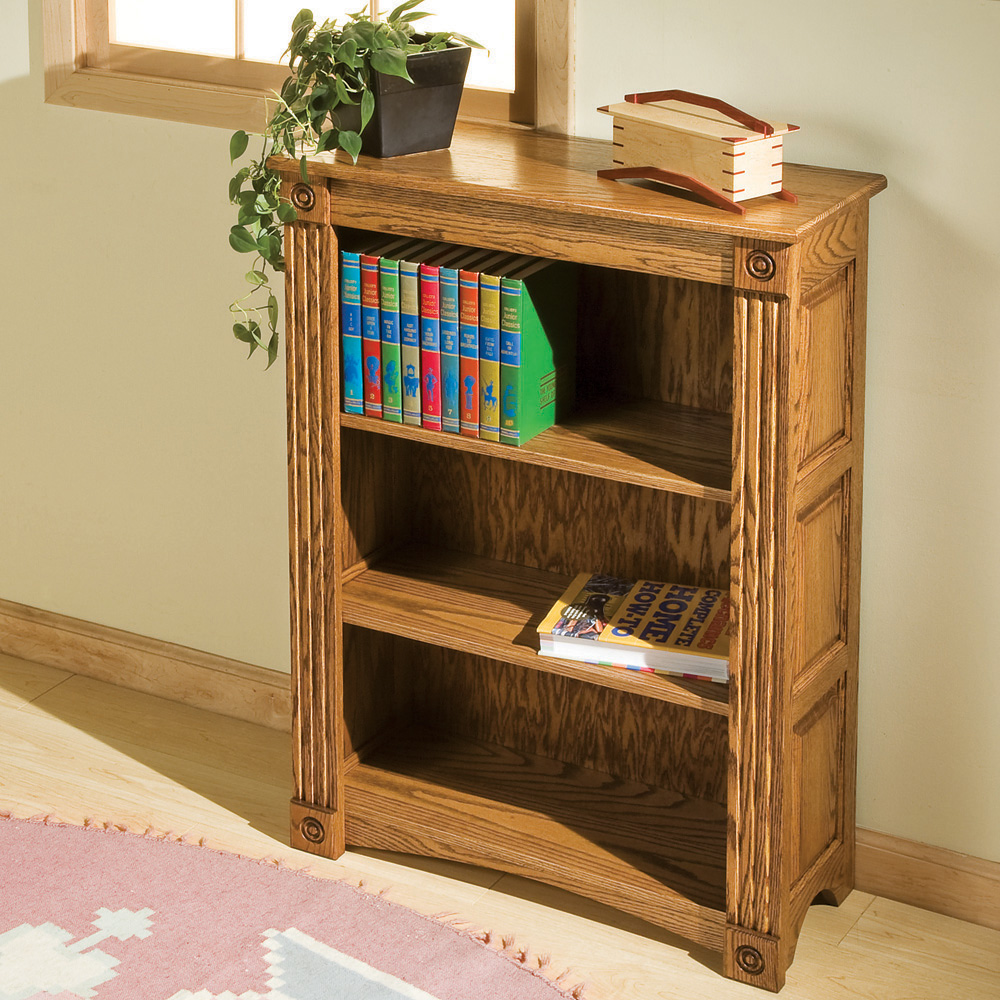
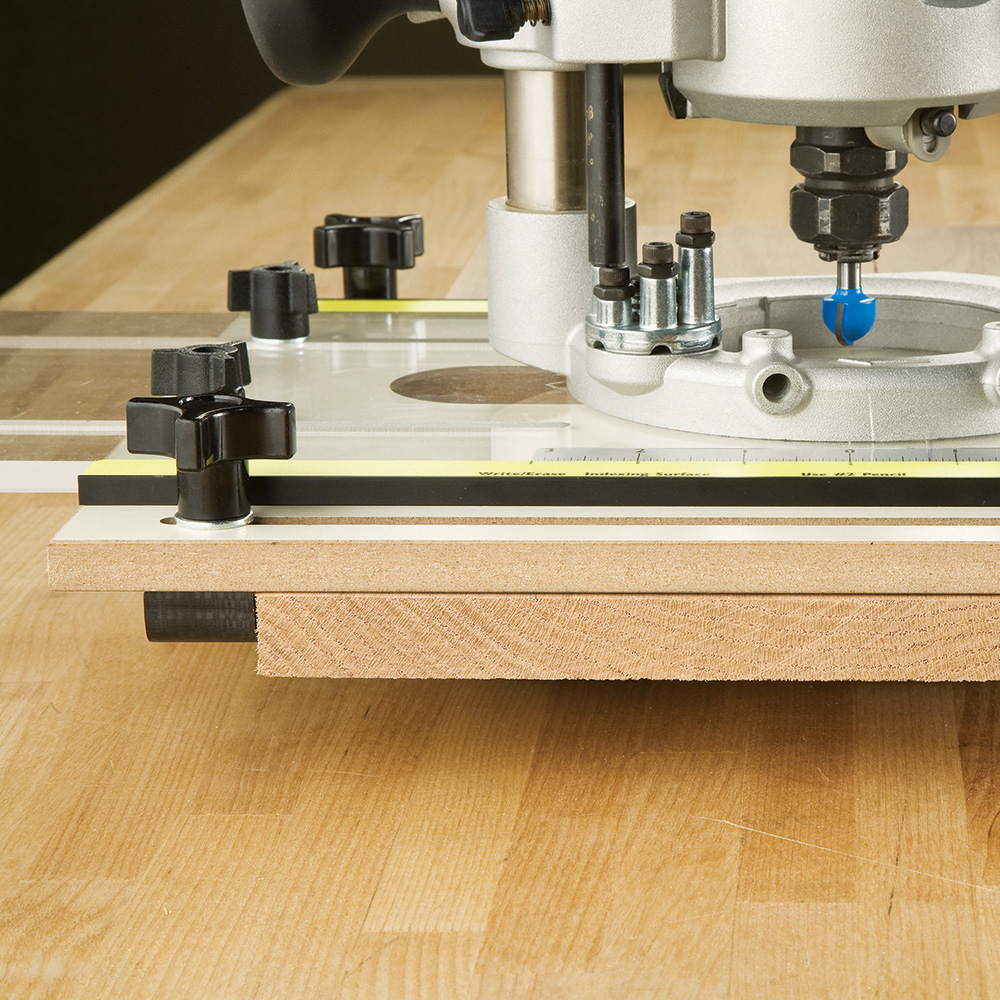
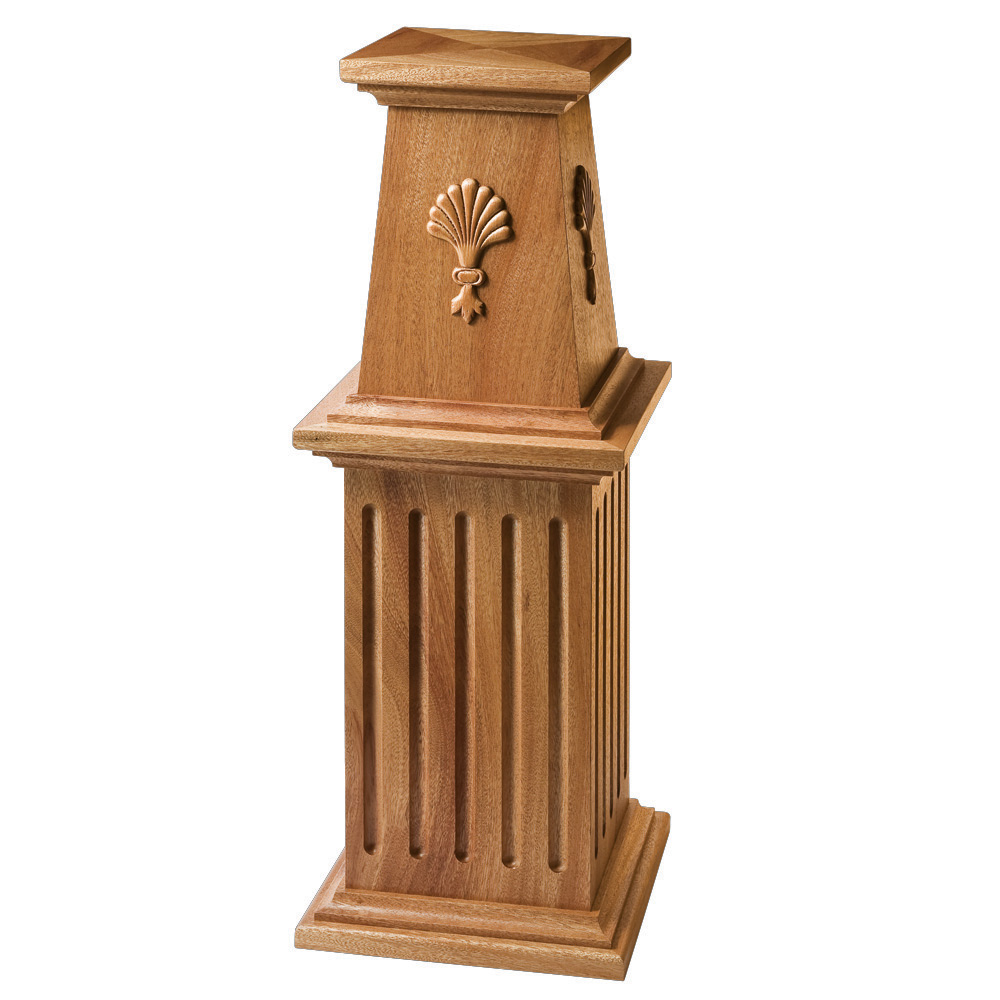

Rockler Router Fluting Jig
Item #
28636
Special Price
$74.99
Each
Regular Price
$99.99
Save 25%
Easily and quickly routs perfect flutes every time.

Or Buy These Together
Please select at least one addon to add it to the cart.
-
 Current Product
Special Price $74.99 Each Regular Price $99.99 Save 25%
Current Product
Special Price $74.99 Each Regular Price $99.99 Save 25%


Total Price
Taxes estimated at checkout
$139.97
 WARNING: Cancer & Reproductive Harm -
Customers Also Viewed
-
Dust Right Whirlwind Router Dust Extraction System with Click-ConnectSpecial Price $27.99 Each Regular Price $39.99 Save 30%
-
-
-


Tips & Techniques
-
Best Woodworking Router JigsThese innovative router jigs make your router or router table even more versatile.
-
How to Use the Rockler Router Fluting JigVideo demo: Learn how to set up and use the Rockler Router Fluting Jig. This router jig easily and quickly routs perfect flutes every time.
-
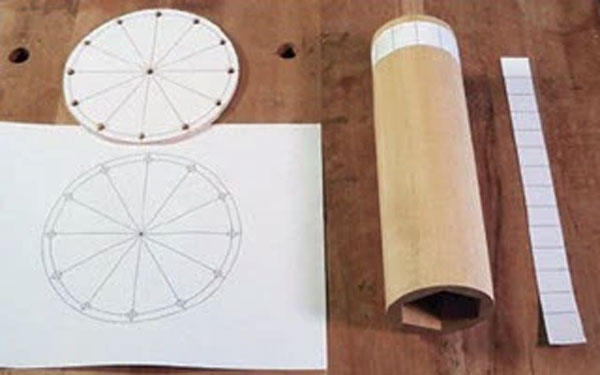
Cutting Flutes On A Lathe With An Index WheelHow I can create fluting on a circular or round wooden column? I read someplace that one way this can be accomplished is on a lathe that has indexing capabilities, but I could never understand how.